
Many people believe that wealth management is simply about choosing the best stocks or finding high-yielding investments. However, professional wealth management is built on asset allocation—how you distribute your money across different risk categories to protect against life's uncertainties while fueling growth.
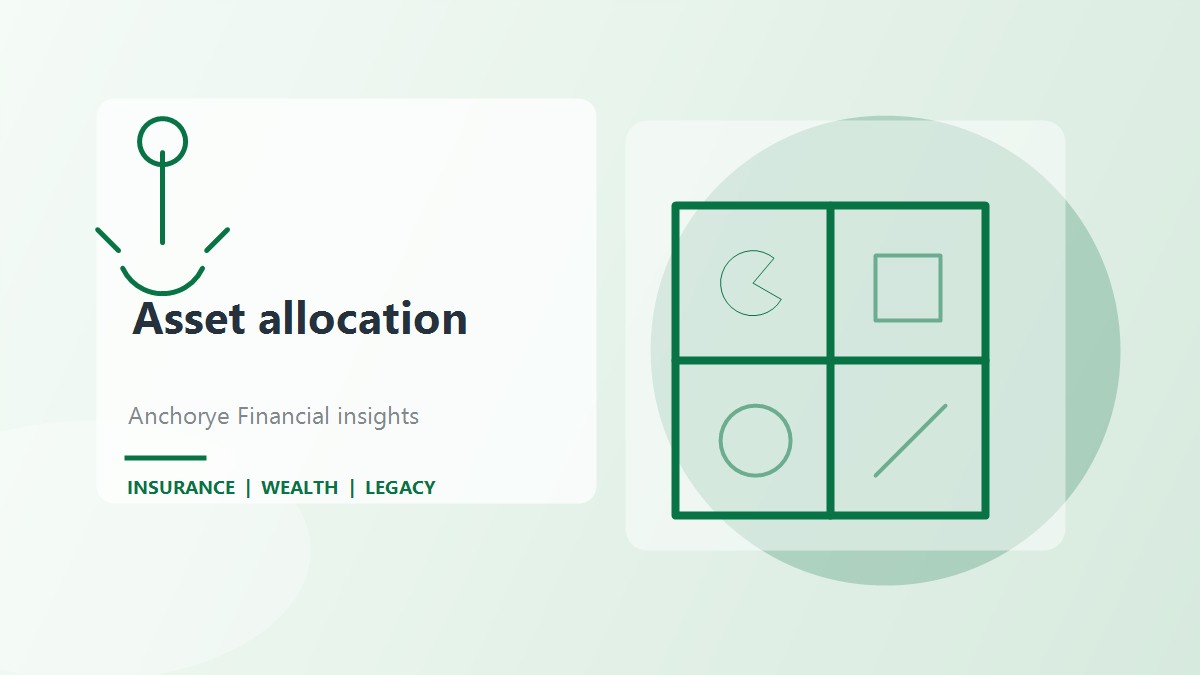
The Standard & Poor’s (S&P) Family Balance Sheet is a globally recognized, time-tested framework that categorizes family assets into four distinct quadrants, ensuring short-term security and long-term prosperity.
+------------------------------------+------------------------------------+
|             QUADRANT 1             |             QUADRANT 2             |
|       Daily Cash Flow (10%)        |      Risk Management (20%)         |
|  Short-term cash for daily living  |  Protective assets & insurance    |
+------------------------------------+------------------------------------+
|             QUADRANT 3             |             QUADRANT 4             |
|         Smart Investment (30%)     |       Long-Term Legacy (40%)       |
|  High-yield assets for growth      |  Preserved wealth for inheritance  |
+------------------------------------+------------------------------------+
(Note: Percentages represent standard recommendations and can be customized based on family net worth.)
The Four Quadrants of Household Wealth
1. The First Quadrant: Daily Cash Flow (Recommended: 10%)
This pool covers the immediate, everyday expenses of your family over the next 3 to 6 months. It includes mortgage payments, utility bills, groceries, transit, and entertainment.
- Asset Types: Chequing accounts, high-interest savings accounts, and highly liquid cash equivalents.
- Objective: To ensure your family maintains a comfortable daily lifestyle without stress.
2. The Second Quadrant: Risk Management & Protection (Recommended: 20%)
This is your financial shield. It is designed to step in during worst-case scenarios, such as sudden disability, critical illness, or premature death, preventing your family’s lifestyle from collapsing.
- Asset Types: Disability insurance, critical illness policies, and term or permanent life insurance.
- Objective: To ensure a sudden crisis does not force you to liquidate investments or sell your home.
3. The Third Quadrant: Smart Investment & Growth (Recommended: 30%)
This quadrant is designed to generate wealth. It consists of higher-risk, higher-return assets where you expect capital appreciation over a medium-to-long-term horizon.
- Asset Types: Equities, mutual funds, ETFs, investment properties, and private equity.
- Objective: To beat inflation and build a significant nest egg for major milestones like early retirement or children’s university education.
4. The Fourth Quadrant: Long-Term Legacy & Succession (Recommended: 40%)
This quadrant focuses on wealth preservation and generational transfer. These are stable, tax-advantaged assets that grow steadily and are earmarked for the next generation.
- Asset Types: Universal or Whole Life insurance policies, family trust structures, and estate-bonded assets.
- Objective: To transfer accumulated wealth to your children and grandchildren in the most tax-efficient, secure, and private manner possible.
The Three Golden Rules of Asset Allocation
- Liquidity First: Never lock up all your money in long-term investments or real estate. Always maintain a healthy daily cash flow buffer.
- Hedging Risk: Before trying to grow your money in the third quadrant, ensure you have adequately shielded your downside in the second quadrant. An unprotected stock portfolio can easily be wiped out by medical bills.
- Separate Purpose: Treat each quadrant as a distinct pool. Do not mix your daily cash flow with your legacy assets, as doing so leads to emotional decision-making during market downturns.